A natural gas smell inside your home should always be treated seriously.
Natural gas is commonly used for water heaters, stoves, furnaces, fireplaces, and outdoor appliances. Although gas systems are designed with safety controls, damaged connections, faulty fittings, and deteriorating pipes can create dangerous leaks.
Natural gas is odorless in its natural state, but utility providers add a distinctive odorant that often smells like rotten eggs or sulfur to help people recognize potential leaks.
If you smell gas inside your home in McKinney, TX, do not attempt to locate or repair the leak yourself. This guide explains how to recognize possible gas leaks, what to do immediately, and when professional gas line inspection and repair may be necessary.
1. What Does a Natural Gas Leak Smell Like?
Natural gas is commonly associated with a rotten-egg or sulfur-like smell because of the odorant added to it.
However, odor is not a reliable way to rule out a leak. Some leaks may be difficult to detect, and not every unusual odor indicates natural gas. Possible warning signs include:
- Rotten-egg or sulfur-like odor
- Hissing sounds near gas piping
- Damaged or disconnected gas connections
- Unexpected appliance performance changes
- A gas detector alarm
Never ignore a suspected gas leak.
2. What Should You Do If You Smell Gas in Your House?
Safety comes before plumbing repairs. If you suspect a natural gas leak:
- Leave the building immediately and move to a safe outdoor location.
- Do not operate electrical switches, appliances, phones, vehicles, or anything that could create a spark inside the affected area.
- Do not smoke, light matches, or use open flames.
- Do not attempt to locate or repair the leak.
- Once safely away, call 911 or your gas utility's emergency number.
- Do not return until emergency responders or the gas utility declare the area safe.
Do not use your phone inside the building when a leak is suspected. If you suspect a leak outdoors, move away from the area and contact the gas utility or emergency services from a safe location.
3. What Causes Gas Leaks in Residential Plumbing Systems?
Several conditions can lead to gas line problems.
1. Loose or Deteriorated Connections
Gas piping connections can develop problems because of improper installation, corrosion, damage, or deterioration.
Solution: A qualified professional should inspect the connections and perform appropriate leak testing and repairs.
2. Damaged Gas Pipes
Physical damage, corrosion, or aging materials may compromise gas piping.
Solution: The affected section may require repair or replacement using approved materials and installation methods.
3. Improper Appliance Installation
Gas stoves, water heaters, fireplaces, and outdoor grills require properly sized and connected gas lines. Incorrect installation can create safety problems.
Solution: Have appliance connections evaluated and installed by qualified professionals.
4. Faulty Appliance Connections
Flexible connectors, valves, and fittings can deteriorate or become damaged.
Solution: Have the affected connection inspected and replaced when necessary.
5. Gas Pressure Problems
Incorrect gas pressure may affect appliance performance and indicate a regulator, supply, or piping issue.
Solution: A qualified professional can perform appropriate gas pressure testing and determine whether the issue involves the appliance or gas distribution system.
4. When Do You Need Professional Gas Line Repair?
Professional gas line inspection or repair may be necessary when:
- You suspect a gas leak
- A gas appliance is not operating correctly
- A gas line has visible damage
- You are remodeling a kitchen
- You are installing a gas stove or fireplace
- You need a new gas connection for an outdoor grill
- A gas pressure test is required for permitted work
If you suspect an active leak, follow the emergency safety steps first. Do not wait for a routine plumbing appointment. For non-emergency repairs, our team provides professional gas line repair.
5. Why Is Gas Pressure Testing Important?
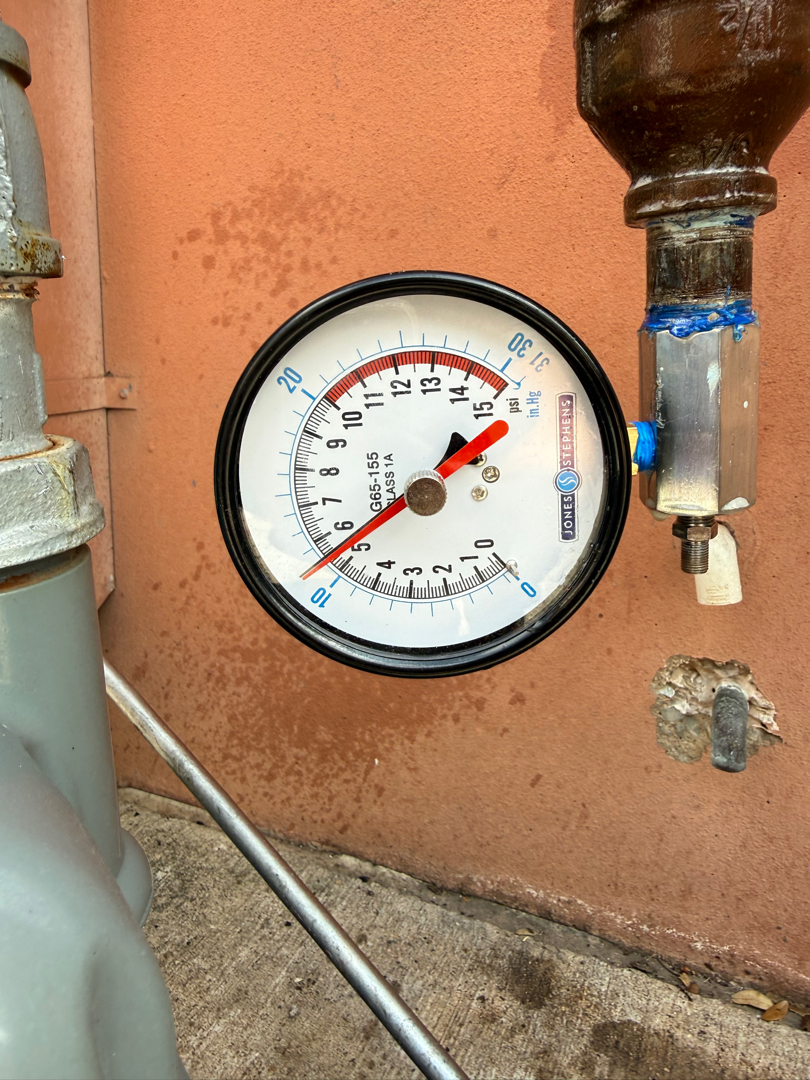
Gas pressure testing helps determine whether a piping system maintains the required pressure under specified test conditions. Depending on the project and local requirements, testing may be necessary for:
- New gas line installations
- Gas line alterations
- Permitted repairs
- Required inspections
- Certain property transactions
A qualified professional can determine the applicable test procedure and coordinate required permits and inspections.
6. Can a Plumber Install a Gas Line for an Outdoor Grill or Fireplace?
Yes, qualified plumbing professionals can install approved gas connections for compatible residential appliances where authorized by applicable licensing and regulations. Projects may include:
- Outdoor gas grill connections
- Gas fireplace lines
- Gas stove connections
- Gas range installations
- Gas water heater connections
- New residential gas piping
Every installation should account for appliance requirements, pipe sizing, routing, ventilation, and applicable safety codes. Learn more about our gas line installation services.
7. Gas Line Repair in McKinney, TX
Gas piping problems require careful diagnosis and appropriate safety procedures.
Blue Otter Plumbing & Drain provides gas line services, including gas line installation, repair, appliance connections, and pressure testing. For homeowners in McKinney and surrounding North Texas communities, professional inspection can help identify gas piping concerns and determine the appropriate repair.
Remember: suspected gas leaks must first be reported to emergency services or the gas utility from a safe location.
For non-emergency gas line installation and repair inquiries, contact Blue Otter Plumbing & Drain at (469) 238-2211.
Frequently Asked Questions
What does a gas leak smell like?
Natural gas is commonly treated with an odorant that produces a rotten-egg or sulfur-like smell. If you notice this odor, leave the area and contact emergency services or your gas utility from a safe location.
Can I repair a gas leak myself?
No. Do not attempt to locate, tighten, or repair suspected leaking gas connections yourself. Leave the area and contact emergency responders or your gas utility.
Can a gas leak cause a fire or explosion?
Yes. Accumulated natural gas can ignite when exposed to an ignition source. A suspected leak requires immediate attention.
Why does my gas stove have a weak flame?
Possible causes include appliance problems, restricted gas flow, regulator issues, or supply pressure problems. A qualified professional should diagnose the cause.
Do I need a permit for a new gas line?
Permit requirements depend on the project and local jurisdiction. Your plumbing professional should verify applicable requirements before installation.
How long does residential gas line installation take?
A simple appliance connection may take less time than a new gas line routed through a home or yard. The schedule depends on accessibility, installation complexity, permits, and inspections.
Can gas lines be installed for outdoor kitchens and grills?
Yes, provided the installation meets appliance specifications and applicable safety requirements.
When should I schedule a gas pressure test?
Testing may be required after new installations or alterations, during inspections, or when a gas piping problem needs investigation. Requirements vary by project and jurisdiction.