A drain that keeps clogging is more than an inconvenience. If your kitchen sink, bathroom shower, bathtub, or laundry drain repeatedly backs up, there may be an underlying problem inside your plumbing system.
Recurring drain clogs are commonly caused by grease buildup, hair accumulation, soap residue, foreign objects, mineral deposits, or obstructions farther down the drain line.
For homeowners in McKinney, TX, understanding the cause of repeated blockages can help prevent plumbing damage and unnecessary repair expenses.
Blue Otter Plumbing & Drain helps homeowners diagnose drainage problems, clear stubborn blockages, and determine when professional drain cleaning or hydro jetting may be necessary.
1. What Causes Drains to Keep Clogging?
Several problems can cause recurring drain blockages. Identifying the location and type of blockage is the first step toward choosing the right solution.
1. Grease and Cooking Oil Buildup
Kitchen drains frequently become clogged because cooking grease, oils, and food particles enter the plumbing system. Although grease may flow down the drain while warm, it can cool and stick to the interior walls of pipes. Over time, additional debris attaches to the grease, creating a stubborn blockage.
Solution: Avoid pouring cooking oil or grease down the sink. Collect grease in a container and dispose of it properly. Professional drain cleaning may be necessary when buildup becomes extensive.
2. Hair Accumulation in Bathroom Drains
Hair is one of the most common causes of shower and bathtub clogs. Hair combines with soap residue and other debris, forming dense obstructions that restrict water flow.
Solution: Install a drain strainer, clean it regularly, and remove accessible hair before it enters the plumbing system. Persistent blockages may require professional drain snaking.
3. Soap Scum and Mineral Deposits
Soap residue can accumulate inside bathroom pipes. Minerals present in hard water may also contribute to scale buildup. These deposits gradually narrow the pipe opening and make it easier for hair and debris to become trapped.
Solution: Regular cleaning and appropriate drain maintenance can reduce buildup. Severe restrictions may require mechanical cleaning or hydro jetting after a plumber evaluates the pipe condition.
4. Foreign Objects Inside Pipes
Small objects, wipes, paper towels, hygiene products, and excessive toilet paper can cause blockages. Products marketed as flushable do not always break down as easily as toilet paper.
Solution: Only flush human waste and toilet paper. Use waste bins for wipes, hygiene products, and other household materials.
5. Tree Root Intrusion
Tree roots naturally seek moisture and can enter sewer pipes through small cracks or separated joints. As roots grow inside the pipe, they catch debris and restrict wastewater flow.
Solution: A sewer camera inspection can identify root intrusion and determine whether professional root removal or sewer pipe repair is needed.
6. Damaged or Misaligned Drain Pipes
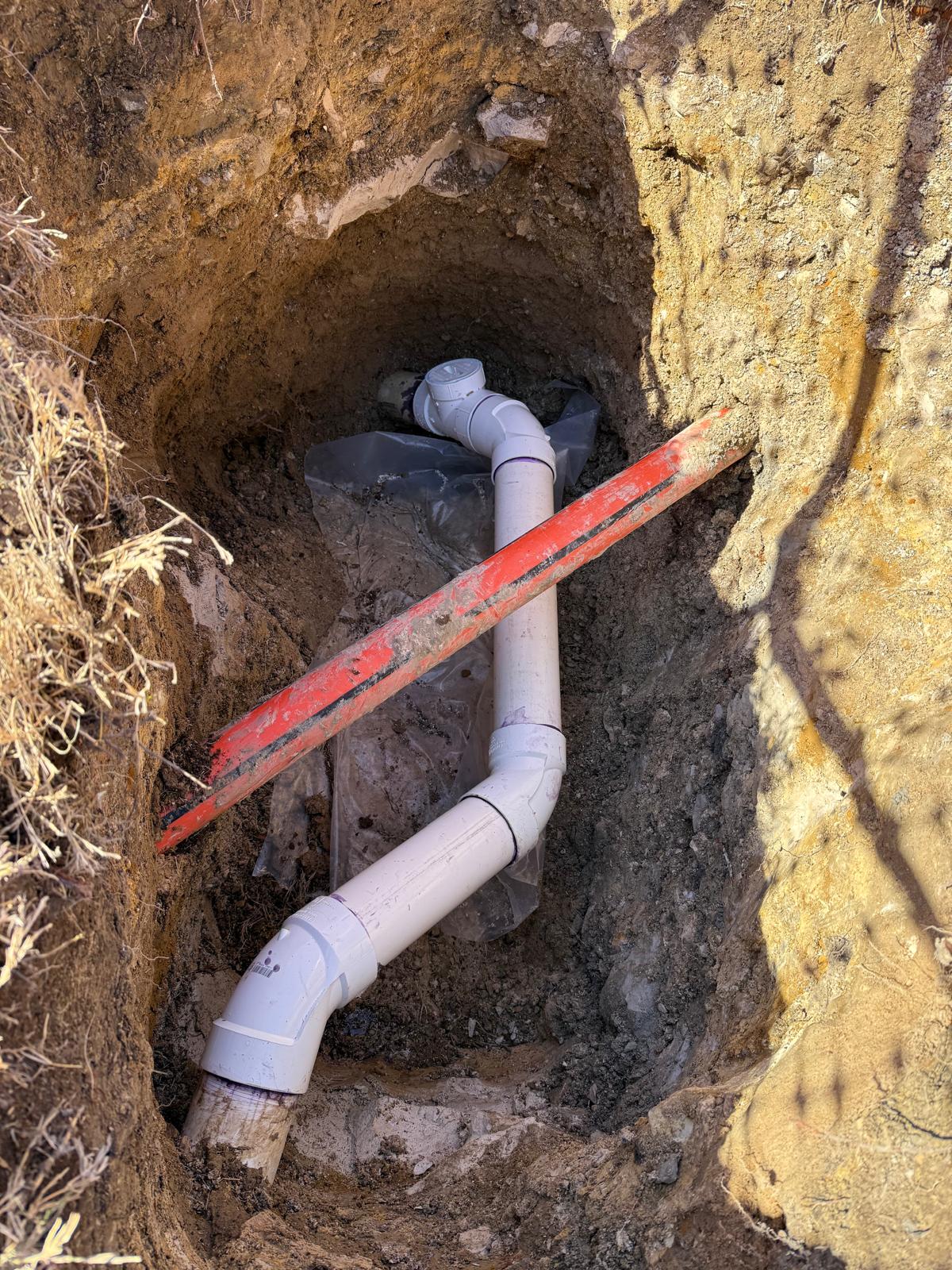
Repeated clogs can indicate a structural problem rather than ordinary debris. Cracked pipes, separated joints, improper pipe slopes, or collapsed sections may prevent wastewater from flowing properly.
Solution: Have the affected line inspected. Repeatedly clearing a blockage without correcting structural damage will not provide a lasting solution.
7. Main Sewer Line Blockage
If several drains throughout your home become slow or back up simultaneously, the problem may involve the main sewer line. Common causes include roots, grease accumulation, foreign objects, and damaged piping.
Solution: Professional drain inspection and sewer camera diagnostics can help identify the location and cause of the obstruction.
2. How Can You Fix a Clogged Drain?
The appropriate solution depends on the location, severity, and cause of the blockage. Here are common approaches:
- Plunger: A plunger can help remove minor obstructions in sinks, tubs, and toilets.
- Drain Snake: A mechanical drain snake can break through or retrieve hair and other accessible blockages.
- Professional Drain Cleaning: A plumber can use specialized equipment to clear stubborn obstructions and restore proper drainage.
- Hydro Jetting: Hydro jetting uses controlled high-pressure water to remove accumulated grease, sediment, and other debris from suitable pipes.
- Camera Inspection: If clogs repeatedly return, a sewer camera can reveal roots, cracks, pipe separation, or other structural problems.
Avoid repeatedly using harsh chemical drain cleaners. They may damage certain plumbing materials and do not correct structural pipe problems.
3. When Should You Call a Professional Plumber?
Contact a plumber when you notice:
- Multiple drains clogging at once
- Water backing up into sinks or tubs
- Persistent sewer odors
- Gurgling sounds from drains or toilets
- Repeated blockages despite cleaning
- Water backing up when another fixture is used
If sewage is backing up into your home, stop using affected fixtures and arrange professional assistance promptly.
4. Is Hydro Jetting Better Than Traditional Drain Snaking?
Not necessarily. Both methods have different purposes.
Drain snaking is useful for breaking through localized obstructions and removing accessible debris. Hydro jetting uses pressurized water to clean accumulated material from suitable pipe interiors. It can be particularly useful for recurring grease and sediment buildup.
A plumber should assess the pipe condition before recommending hydro jetting, especially when older or damaged pipes are involved.
5. Professional Drain Cleaning in McKinney, TX
Recurring drain problems deserve more than temporary fixes. Blue Otter Plumbing & Drain provides plumbing and drain services for homeowners in McKinney and surrounding North Texas communities.
Our diagnostic approach helps identify whether your problem involves a localized blockage, sewer obstruction, or damaged drain pipe.
Whether you are dealing with a clogged kitchen sink, slow shower drain, toilet backup, or recurring sewer blockage, getting the correct diagnosis can help prevent repeat problems.
Need help with a stubborn drain clog? Call Blue Otter Plumbing & Drain at (469) 238-2211 to discuss your plumbing problem and schedule service.
Frequently Asked Questions
Why does my kitchen sink keep clogging?
Kitchen sinks commonly clog because of cooking grease, food particles, soap residue, and accumulated debris. If the blockage repeatedly returns, professional drain cleaning may be needed.
Why are all the drains in my house backing up?
Multiple slow or backed-up drains can indicate an obstruction in the main sewer line. A professional inspection can help identify the cause.
Is hydro jetting safe for old plumbing pipes?
Hydro jetting is not appropriate for every pipe. A plumber should evaluate the pipe material, age, and structural condition before using high-pressure cleaning equipment.
How much does professional drain cleaning cost in McKinney, TX?
The cost depends on the blockage location, severity, accessibility, and equipment required. A plumber should evaluate the problem before providing an accurate estimate. Call us for an estimate.
Can tree roots cause repeated drain clogs?
Yes. Roots can enter damaged sewer joints, grow inside the pipe, and trap wastewater debris. Camera inspection helps confirm root intrusion.
Should I use chemical drain cleaners?
Chemical cleaners may provide temporary relief for certain minor clogs, but repeated use can create risks for some plumbing systems. Mechanical cleaning or professional diagnosis is often a better approach.
How can I prevent future drain clogs?
Avoid pouring grease down sinks, use drain strainers, dispose of wipes properly, and address slow drainage before it becomes a major blockage.
When should I call a plumber for a clogged drain?
Call a plumber when clogs repeatedly return, several fixtures are affected, sewage backs up, or ordinary cleaning methods do not restore drainage.